South Kensington station waste clearance for Brompton commuters
Posted on 16/07/2026
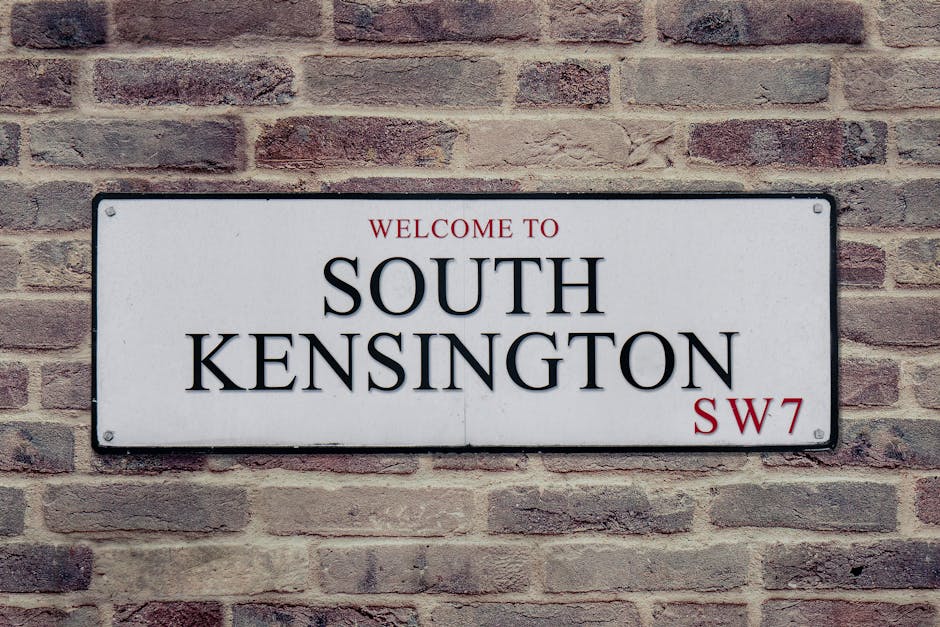
If you split your day between Brompton and South Kensington station, waste has a funny way of becoming urgent at the worst possible moment. A broken chair in the flat. A box of renovation offcuts you keep stepping over. A bag of office clutter that never quite makes it to the right place. That is where South Kensington station waste clearance for Brompton commuters becomes genuinely useful: it helps busy people clear rubbish quickly, sensibly, and without turning a weekday into a mini crisis.
This guide explains what the service means in real life, how it works around a commuter schedule, what to watch out for, and how to choose the right clearance approach for your household, rental, or workplace. If you want the short version: plan early, separate what can be reused or recycled, and use a licensed waste carrier that understands local access, timing, and the realities of London traffic. Easy to say, I know. But it does make a difference.
Why South Kensington station waste clearance for Brompton commuters Matters
For commuters, the main problem is not usually the amount of rubbish. It is the timing. You may only be home for a short window before or after work, and that means waste pile-ups can sit there for days. That is particularly awkward in Brompton, where homes, flats, mews properties, and small business premises often have limited storage and tight access. One missed collection, and suddenly a hallway looks like a storage cupboard you never asked for.
South Kensington station is a key link for people travelling through the Brompton area, so waste clearance near that route has to work around real commuter habits: early starts, late returns, variable weekends, and the occasional last-minute change of plan. People need a service that fits around the day rather than one that adds another headache. In that sense, waste clearance is less about "rubbish removal" and more about keeping the rest of life moving.
It also matters because the wrong approach can create problems fast. Overflowing bags, bulky items left in shared areas, or poorly handled builder's waste can upset neighbours and attract complaints. If you live near the station or use it daily, you know how quickly a small mess becomes a shared annoyance. No one wants to be the person with a sofa arm in the stairwell. Not ideal.
For a broader look at local life and why the area attracts so many residents and workers, you may also find why locals prefer Brompton a helpful read.
How South Kensington station waste clearance for Brompton commuters Works
In practical terms, the service usually follows a simple pattern. You identify what needs removing, book a slot that fits your day, and the waste is collected from your property or from an agreed access point. For commuters, the real value is flexibility. The collection does not need to revolve around a full day at home; it can be arranged for a narrow time window, which is a huge relief when your calendar is already full.
A good waste clearance process normally includes an initial discussion about the type of items involved. That matters because mixed loads are not all the same. A few black bags of household clutter are very different from office furniture, plasterboard, broken shelving, or a heavy washing machine. The clearer you are at the start, the smoother everything tends to go. Less back-and-forth, fewer surprises.
In some cases, the crew may ask for photographs before arrival. That is not fussiness; it helps estimate space, weight, and handling needs. If you are in a Brompton flat with a narrow stairwell or a building with limited lift access, those details really matter. You do not want a team arriving with the wrong vehicle size or too few hands. Been there, seen that, and it is never fun.
The process is also shaped by what happens after collection. Responsible clearance is not just "take it away and disappear." Items should be sorted for reuse, recycling, or disposal where appropriate. If you want to understand the wider approach, the site's services overview and recycling and sustainability pages are useful background reading.
Key Benefits and Practical Advantages
The most obvious benefit is time. If you commute through South Kensington and live or work in Brompton, you usually want a clearance solution that happens quickly and quietly in the background. That means less lifting, fewer trips to sorting points, and less time spent staring at an item you absolutely do not have the energy to deal with after work.
Another benefit is peace of mind. Licensed waste clearance can reduce the risk of fly-tipping or informal disposal mistakes. Truth be told, a lot of the stress around rubbish comes from not knowing whether you are doing the right thing. With the right setup, you can hand over the job and get on with your day without that nagging thought in the back of your head.
It can also help keep properties tidy for viewings, rentals, maintenance visits, or building work. In Brompton, where homes and commercial spaces often move quickly between uses, fast clearance is not a luxury. It is part of staying organised. If you are dealing with a bigger clean-out, related options like house clearance, office clearance, or furniture removal may be more suitable than a standard one-off pickup.
Other practical advantages include:
- less clutter in shared entrances and stairwells
- faster turnaround for rental changeovers
- better segregation of recyclable materials
- reduced risk of lifting injuries or damage
- more predictable costs when the job is clearly described
It sounds basic, but a tidy space changes how a place feels. You notice the quiet afterwards. The hallway breathes again.
Who This Is For and When It Makes Sense
This kind of clearance is especially useful for Brompton commuters who are short on time but still need proper disposal support. That includes flat owners, renters, landlords, office managers, shop staff, and people overseeing refurbishments near South Kensington station. If you spend the week commuting and the weekend trying to catch up, you are exactly the sort of person who benefits from a streamlined collection.
It makes sense when you have bulky items, mixed household waste, post-renovation debris, unwanted white goods, or a run of clutter that has finally become too annoying to ignore. It also makes sense when access is awkward. Narrow roads, restricted parking, basement levels, and shared hallways are normal in this part of London. The more awkward the access, the more valuable proper planning becomes.
For example, a Brompton tenant moving out on Friday evening may not have time to break down furniture or wait for a council-style collection window. A landlord preparing for new occupants may need the place cleared before the next viewing. A commuter working near the station may have only one hour between school pickup and dinner. That is where a well-timed clearance service earns its keep.
If you are interested in the area more broadly, these pages help explain the local context from different angles: a stroll through Brompton and Brompton Road rubbish removal for SW3 homes.
Step-by-Step Guidance
- List everything that needs to go. Start with the obvious items, then check cupboards, lofts, under-bed storage, and that awkward corner by the back door. Small stuff adds up quickly.
- Separate items by type. Put furniture, electricals, garden waste, general rubbish, and building materials into rough groups. You do not need a perfect system, just something sensible.
- Decide what can be reused or donated. A chair with life left in it does not need the same treatment as broken plasterboard. Reuse first, disposal second.
- Measure bulky pieces. If the item has to fit through a narrow staircase or doorway, rough dimensions help. Especially in older Brompton buildings, where the hallway seems to have been designed by someone who disliked sofas.
- Share access details early. Mention parking restrictions, floor level, lift availability, loading points, and any time constraints connected to your commute.
- Ask for a clear quote. Make sure the service explains what is included, what counts as extra, and how payment works. You can review the company's pricing and quotes information before you book.
- Prepare the collection area. Put items in one place if safe to do so. Clear a path. Remove anything fragile that could be knocked.
- Confirm the handover. On the day, check that the team knows exactly what is going and what is staying. That last 30 seconds can save a lot of hassle.
If you are juggling a station run, a work call, and a rubbish collection at the same time, keep it simple. Simpler is better. Always.
Expert Tips for Better Results
First, be honest about volume. People often underestimate how much waste they have because they mentally count items rather than space. A single dismantled wardrobe can occupy far more vehicle room than you would expect. If you are unsure, take a few photos from different angles. That usually gives a far better picture than a quick description over the phone.
Second, think about timing in relation to your commute. Early morning collections can work very well for people heading out through South Kensington station, but only if access, keys, and building entry are sorted. Late afternoon pickups can be fine too, though traffic around central London sometimes turns "quick" into "not quite so quick". Nature of the beast.
Third, reduce the load before the team arrives. Remove loose contents from cabinets, box up small items, and flatten anything that can be collapsed safely. You will usually get a cleaner result, and possibly a better price too, because the job is easier to handle.
Fourth, ask how recyclable materials are separated. Good waste operations should aim to divert suitable items away from disposal wherever possible. That does not mean everything gets recycled, because real-world waste is messy, but it does mean the process should be thoughtful. If sustainability matters to you, that is worth checking in advance.
Finally, do not forget the small stuff. Batteries, paint, and certain electrical items need more care than a bag of general rubbish. If the load includes appliances, have a look at white goods and appliance disposal for the kind of items commonly handled in a separate, more careful way.
Common Mistakes to Avoid
The most common mistake is waiting too long. That spare chair in the corner becomes part of the scenery until one morning it is suddenly in the way of everything. If you commute daily, procrastination is the enemy. It really is.
Another mistake is mixing everything together without checking what is in the pile. Some items need special handling, and some loads become harder to process if they are not sorted sensibly. A bag of general rubbish mixed with rubble, a mattress, and electrical waste is much harder to manage than separate stacks.
People also forget access details. A team might be ready, but if they cannot park close enough or get through the entrance, the whole schedule slips. In a place like Brompton, where streets can be busy and buildings can be tight, access is not a small issue. It is one of the main issues.
There is also the old trap of choosing the cheapest option without checking whether the operator is properly licensed or insured. That kind of saving can disappear very quickly if something goes wrong. For a trustworthy approach, it helps to review waste carrier licence and compliance and insurance and safety.
And one more, a bit awkward but important: do not assume every item can simply be left outside. Shared buildings, public pavements, and station-adjacent streets all carry rules and practical realities. If in doubt, keep the waste on private property until the team arrives.
Tools, Resources and Recommendations
You do not need fancy equipment, but a few simple tools make the job smoother. Strong gloves, bin bags, packing tape, a marker pen, a tape measure, and a torch are often enough to get organised. A phone camera also helps, because a photo of the pile is usually more useful than a vague estimate. Not glamorous, but practical.
For paperwork and peace of mind, keep a note of what was removed and when. This is especially useful for landlords, managing agents, and office teams. If there is ever a question later, you will have a clean record. A boring file note can be surprisingly valuable. Strange world.
It is also sensible to review the company's policies before booking, particularly if you care about payment security, terms, or how personal information is handled. The following pages are relevant and worth a look:
- payment and security
- privacy policy
- terms and conditions
- about us
If your clearance is part of a wider tidy-up, related services like rubbish collection, waste clearance, and waste disposal may be more appropriate than trying to force everything into one generic job description.
Law, Compliance, Standards, or Best Practice
Any waste clearance in the UK should be handled carefully and in line with accepted legal and industry practice. In plain English, that means using a licensed waste carrier, avoiding unlawful dumping, and making sure the waste is transferred responsibly. The exact obligations depend on the situation, but the basic principle is simple: once rubbish leaves your property, you still want confidence that it is being handled properly.
This is especially important for Brompton commuters because rushed arrangements can lead to poor decisions. Someone offering a "cheap uplift" with no clear paperwork may seem convenient at 7.45 a.m., but convenience is not the same as compliance. If a clearance firm cannot explain how it handles collected waste, that is a sign to slow down.
For builders' waste or renovation debris, compliance matters even more. Plaster, timber, packaging, broken fixtures, and mixed construction waste can create additional handling needs. If your clearance is linked to a refurb or maintenance project, builders waste disposal is worth considering.
Best practice also includes:
- clear item descriptions before collection
- proper loading and safe lifting methods
- separation of reusable and recyclable materials where practical
- respect for building access rules and neighbours
- transparent communication about what will happen to the waste
For people clearing business spaces, the same logic applies with even more urgency. If you are managing stock, old desks, or a back-room tidy-up, commercial waste removal and office clearance can offer a tidier, more compliant route.
Options, Methods, or Comparison Table
There is more than one way to deal with waste near South Kensington station. The best choice depends on volume, urgency, access, and what type of items you need removed. Below is a simple comparison to help you decide.
| Option | Best for | Strengths | Drawbacks |
|---|---|---|---|
| One-off waste clearance | Mixed rubbish, bulky household items, small-to-medium clear-outs | Flexible, quick, suited to commuters | Not ideal for ongoing waste streams |
| Regular rubbish collection | Recurring clutter or business waste | Predictable and simple | May not suit large one-time clearances |
| Specialist furniture removal | Sofas, wardrobes, tables, office desks | Efficient for bulky pieces | May need extra sorting for mixed loads |
| House or loft clearance | Full-property or storage-heavy jobs | Thorough and time-saving | Requires stronger planning and access checks |
| Builders waste disposal | Renovation and refurbishment waste | Handles awkward materials properly | Less suitable for general household clutter |
To be fair, most people near the station end up choosing a mix of these options over time. A new sofa today, a loft clear-out next month, a small office tidy-up after that. Life is rarely one neat category.
Case Study or Real-World Example
Picture a Brompton commuter living in a compact flat a short walk from South Kensington station. Over a few weeks, the hallway starts collecting unwanted bits: a broken dining chair, packaging from a home delivery, an old bedside cabinet, and a small pile of papers that should have been dealt with ages ago. Nothing dramatic. Just enough clutter to make the place feel smaller and more tired than it really is.
They work long hours, leave early, and return after dark. On weekdays, there is no appetite for lugging furniture downstairs or trying to decipher building rules with a torch in one hand and a coffee in the other. So they take a few photos, separate the items, and arrange a collection for a narrow morning window before work. The team arrives, clears the items efficiently, and the flat feels different almost immediately. Quieter. Easier. Less boxed-in.
The surprise is not just the space recovered. It is the mental relief. Once the clutter goes, the person can think again about the next practical thing: maybe a small repaint, maybe a better shelf arrangement, maybe nothing at all. Sometimes that is enough. A clear room can be a very good reset.
For homeowners and sellers, this kind of quick turnaround can also support property presentation. If you are thinking about how local property activity and presentation standards affect value, the article on Brompton real estate investment tips and the page on Brompton realty transactions may add helpful context.
Practical Checklist
Use this before you book or on the morning of collection.
- Identify every item you want removed.
- Separate bulky items from bagged rubbish.
- Check for electricals, batteries, or special waste that may need separate handling.
- Measure large pieces and note awkward access points.
- Confirm your ideal time window around your commute.
- Prepare access details such as door codes, floor level, and parking restrictions.
- Ask about recycling and what happens to reusable materials.
- Review the quote carefully so you know what is included.
- Keep fragile or personal items separate before the team arrives.
- Stay reachable by phone in case the crew needs a quick clarification.
That checklist is deliberately simple. If you are already running between Brompton and South Kensington station, the last thing you need is a complicated system. Simple wins.
Get a free quote today and see how much you can save.
Conclusion
South Kensington station waste clearance for Brompton commuters is really about making everyday life easier in a part of London where time, access, and space are all in short supply. Whether you are clearing a flat, a rental, an office, or a room full of forgotten bits and pieces, the best results come from clear planning, honest item descriptions, and a licensed team that knows how to work around commuter schedules.
Do that well and you get more than a tidy floor. You get a calmer routine, a cleaner property, and one less thing hanging over you on the way to the station. Not a bad trade, all things considered.
If you are ready to take the next step, keep it practical, keep it safe, and choose the option that gives you the least friction. That is usually the right answer.


 Tipper Van - Waste Disposal and Waste Removal Prices in Brompton, NW5
 Luton Van - Waste Disposal and Waste Removal Prices in Brompton, NW5