Brompton Road rubbish removal guide for SW3 homes
Posted on 03/07/2026
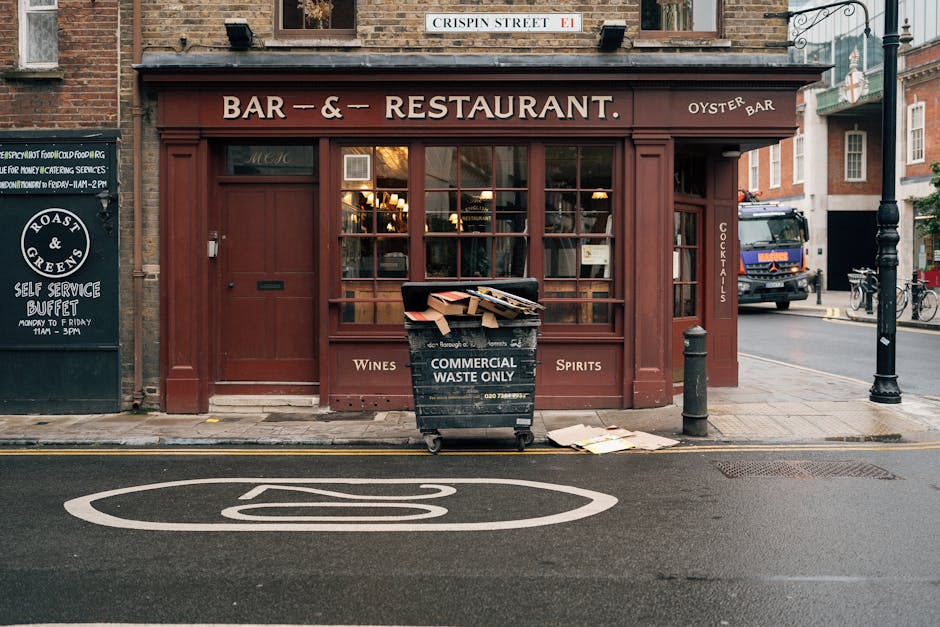
If you live near Brompton Road in SW3, rubbish removal can be deceptively tricky. A few black bags, a broken chair, or a full flat clearance can turn into a logistical headache fast, especially when access is tight, parking is awkward, and you do not want waste hanging around any longer than it has to. This Brompton Road rubbish removal guide for SW3 homes walks you through the practical side of getting rid of household waste properly, safely, and without unnecessary stress.
You will find clear steps, sensible comparisons, common mistakes to avoid, and a few local realities that matter in this part of London. Truth be told, a well-planned collection usually saves time, money, and a fair bit of frustration.
Why Brompton Road rubbish removal guide for SW3 homes Matters
Brompton Road sits in one of the most active and property-sensitive parts of SW3, so rubbish removal is not just about "taking things away". It affects how a home looks, how quickly you can complete a move or refurbishment, and whether you stay on the right side of local rules and good neighbourly practice. In a street where buildings can be elegant, compact, and close together, clutter becomes visible very quickly.
That is one reason domestic waste often needs a more considered approach here than in a typical suburban setting. Bags left out too early, bulky items blocking a hallway, or builders' waste stacked near a shared entrance can create noise, mess, and avoidable complaints. If you have ever tried to move a sofa down a narrow staircase while someone is coming through the front door with groceries, you will know the feeling.
There is also a bigger picture. Proper rubbish removal supports recycling, reduces fire risk, and helps prevent fly-tipping. And if you are preparing a property for sale or letting, tidy waste clearance can make the whole place feel calmer and better cared for. If you are in the middle of a transition, articles such as Brompton real estate wise investment tips and Brompton realty transactions show how presentation and timing can influence outcomes more than people expect.
Practical takeaway: rubbish removal in SW3 is usually easiest when you plan around access, item type, timing, and disposal method all at once, rather than treating it as a last-minute clear-out.
How Brompton Road rubbish removal guide for SW3 homes Works
At a basic level, the process is simple: identify the waste, decide how it should be removed, and arrange the most suitable service or method. The reality is a bit more layered. Different items need different handling, and not every pile of rubbish is just "general waste".
For example, old furniture, broken appliances, renovation rubble, garden cuttings, and everyday household waste each have their own disposal considerations. A reliable collection process usually starts with sorting items into categories, then checking whether any need specialist handling. That might mean separating reusable furniture from broken items, or keeping electrical goods apart from mixed rubbish.
In SW3 homes, access matters almost as much as the waste itself. Front steps, basement flats, communal corridors, controlled parking, and tight mews-style arrangements can all affect how quickly waste can be collected. A good plan should answer a few practical questions:
- Can the waste be moved safely from the property to the vehicle?
- Does any item need two people, specialist lifting, or dismantling first?
- Is the waste ready in one place, or spread across several rooms?
- Will it be collected from inside the property or from the kerbside?
If you want a broader sense of how waste services are organised locally, the page on services overview is a helpful place to understand the range of collection and clearance options available.
And yes, the details matter. A tidy plan means fewer surprises on the day. Which, let's face it, is exactly what most people want.
Key Benefits and Practical Advantages
Good rubbish removal is about more than empty floors. It brings a few concrete advantages that are easy to overlook until you actually need them.
1. Faster turnaround
When rubbish is removed promptly, you can move ahead with decorating, repairs, or a sale preparation without living around piles of unwanted items. That is especially useful if you are working to a deadline.
2. Better use of space
SW3 homes often have valuable square footage, and clutter eats into it fast. A spare room full of boxes, broken furniture, or old white goods does not just look untidy; it becomes dead space. Clearing it frees up the room for something better.
3. Safer access and less strain
Heavy lifting is where many household clearances go sideways. Removing items professionally or in a planned way reduces the chance of damaged walls, scratched floors, or someone pulling a back muscle on a staircase. Not glamorous, but very real.
4. Cleaner disposal choices
When waste is sorted well, reusable and recyclable items are easier to divert from landfill. That can be especially relevant for furniture, appliances, and mixed household junk. The page on recycling and sustainability gives a useful sense of that approach.
5. Less stress during life transitions
House moves, renovations, downsizing, probate clearances, and post-tenancy cleanups are all mentally heavy enough already. If the waste is handled efficiently, one load is lifted off your mind. Small thing, big difference.
Who This Is For and When It Makes Sense
This guide is useful for more people than you might think. It is not just for someone staring at a mountain of renovation debris. In Brompton, even modest waste jobs can be time-sensitive and awkward.
- Homeowners who are decluttering after years in the same property.
- Tenants who need a fast, tidy clear-out before moving out.
- Landlords and managing agents dealing with leftover items after an occupancy change.
- Families replacing furniture, beds, appliances, or white goods.
- Renovators generating plaster, timber, packaging, tiles, or old fittings.
- People handling estates or probate where careful sorting is needed.
- Anyone with limited access who cannot easily move bulky items without help.
It also makes sense if you are simply tired of living around things you no longer need. You know the sort of accumulation: one bedside table becomes three, then a broken lamp, then a stack of old boxes from a previous move. It sneaks up on you.
If your project involves heavy household items, you may also want to look at furniture removal in Brompton or furniture disposal in Brompton for clearer item-specific help.
Step-by-Step Guidance
Here is a practical way to tackle rubbish removal without getting overwhelmed.
- Walk through the property room by room. Make a quick list of what needs to go. Be specific. "Old wardrobe" is better than "miscellaneous stuff".
- Separate the waste into categories. Think general rubbish, furniture, electricals, garden waste, renovation debris, and anything hazardous or awkward.
- Check what needs special handling. Items such as fridges, washing machines, mattresses, or construction rubble may require different disposal methods. A mixed pile can become a messy pile very quickly.
- Clear access paths. Move rugs, picture frames, floor lamps, and anything else that could catch on corners or get damaged. This one small step saves a lot of bother.
- Decide what should be reused, donated, recycled, or removed. Don't assume everything has to be thrown away. A sturdy dining chair might still have a second life.
- Get a clear price and scope. Ask whether collection includes labour, loading, stair access, or disposal charges. The page on pricing and quotes is useful if you want to understand how transparent quoting should work.
- Book at a realistic time. If your street is busy, early morning or a quieter window may help. That said, the best slot is often the one that suits your access and your neighbours.
- Keep the important documents. If you are dealing with a managed property or a move-out, hold onto any paperwork or confirmation until everything is finished.
A small but important note: if you are removing a lot of mixed waste, make sure the load is not simply dumped into a single bag and forgotten about. Sorting later is slower, costlier, and a bit defeating, to be honest.
Expert Tips for Better Results
These are the little details that make rubbish removal smoother in a place like Brompton.
- Measure large items before collection. A wardrobe or sofa that "looked fine" in the lounge may be a nightmare at the front door.
- Photograph the waste pile. This helps with quotes and reduces misunderstandings on arrival.
- Label piles by room. If you are clearing a whole flat, it keeps the process orderly.
- Keep reusable items separate. Don't let good stuff get mixed in with general junk just because it is easier.
- Use simple language when describing waste. "Three black bags, one chest of drawers, one broken TV" is far more useful than "household bits".
- Plan for dust and noise. Even careful removals can stir things up a bit, especially in older homes or during refurbishment.
One of the best habits is to prepare the waste the evening before, if possible. That way the collection feels like a tidy handover, not a race against the clock at 8:15 in the morning while someone is hunting for keys. We have all been there.
If your job is part of a bigger home clear-out, it may be worth comparing it with house clearance in Brompton or loft clearance in Brompton, because the scale and labour involved can change the whole approach.

Common Mistakes to Avoid
Most rubbish removal problems come from a handful of avoidable mistakes. The good news is they are easy to sidestep once you know what to look for.
Leaving sorting until collection day
If everything is lumped together at the last minute, you are more likely to miss something important or pay for a more complex job than necessary.
Underestimating access issues
Steep steps, narrow doorways, shared hallways, and parking restrictions all affect the job. A collection that looks simple on paper can be fiddly in practice.
Ignoring electrical and specialist items
White goods, old monitors, and certain electrical items should not be treated like ordinary rubbish. They may need separate handling, and it is better to ask first than guess. If in doubt, white goods and appliance disposal in Brompton is the sensible route.
Overfilling bags or boxes
Overpacked bags split. Boxes collapse. Someone gets annoyed. It is rarely worth it.
Choosing on price alone
The cheapest option is not always the cheapest in real terms if it means delays, poor communication, or sloppy loading. A tidy, insured, compliant service is usually better value than a bargain that turns messy halfway through.
Forgetting neighbours and timing
This is especially relevant on Brompton Road, where shared entrances and close proximity are part of daily life. A bit of courtesy goes a long way.
Tools, Resources and Recommendations
You do not need a van-full of specialist kit to manage most household waste jobs, but a few basic items make things easier.
- Strong gloves for dusty, splintery, or awkward items.
- Marker pen and labels for sorting piles or marking boxes.
- Tape measure for doors, lifts, stairwells, and furniture dimensions.
- Dust sheets or old blankets to protect floors and corners.
- Rubbish sacks and sturdy boxes for separating smaller waste.
- Basic torch for lofts, cupboards, and dim storage areas.
As a practical recommendation, keep a short list of what you are disposing of, where it is located, and whether anything is fragile. That small bit of organisation helps with quotations and avoids confusion on the day.
For a better sense of the wider service context, rubbish collection in Brompton and waste disposal in Brompton are helpful pages to review alongside this guide. If the job is more specialised, builders waste disposal in Brompton is the right reference point for renovation leftovers.
Law, Compliance, Standards, or Best Practice
Rubbish removal is not just a practical service; it is also a responsibility. In the UK, households should make sure their waste is handed to a legitimate carrier and that it is managed in line with normal environmental and safety expectations. You do not need to become a legal expert, but you do need to be sensible about who takes your rubbish and what happens to it afterwards.
The simplest rule is this: use a provider that can explain how waste is collected, transported, and processed. If a company is vague about disposal routes, recycling, or paperwork, that is a warning sign. Proper carriers should be able to show that they operate with the right permissions and handling standards. The page on waste carrier licence and compliance is a useful trust signal to review before booking.
Best practice also includes:
- keeping waste separated where possible,
- avoiding obstruction of pavements, entrances, or shared access areas,
- handling electrical items and bulky waste carefully,
- checking that lifting and loading are done safely,
- understanding what is included in the quote before work begins.
For householders, this is usually about common sense and documentation rather than complicated compliance. But common sense matters a lot here. A tidy, traceable waste trail is better for everyone.
If safety is a concern - maybe you are clearing a top-floor flat or dealing with heavy appliances - it is sensible to review the company's approach to insurance and safety as well. That is one of those details people skip until they wish they had not.
Options, Methods, or Comparison Table
Not every rubbish job needs the same approach. Here is a simple comparison to help you decide what fits your situation best.
| Method | Best for | Pros | Things to watch |
|---|---|---|---|
| Self-loading to a vehicle | Small, light, well-sorted waste | Can be economical if you already have transport | Time, parking, lifting, and disposal responsibility all sit with you |
| Kerbside collection | Bagged rubbish or items already taken outside | Simple and quick if access is easy | Not ideal for heavy or bulky items, and timing has to be managed carefully |
| Man-and-van rubbish removal | General household waste, furniture, mixed clear-outs | Flexible, labour included, suitable for awkward access | Quote clarity matters; ask what is included before booking |
| Full property clearance | Moves, probate, hoarded rooms, end-of-tenancy clear-outs | Most comprehensive option | Needs planning, room-by-room sorting, and a clear scope |
| Specialist item disposal | Appliances, mattresses, builders waste, garden waste | Better handling for item type and material | May need separate booking or a different collection category |
For many SW3 homes, a labour-included collection is the sweet spot. You avoid the heavy lifting, the van-hiring problem, and the "where on earth do we put this?" moment. Nice and straightforward.
Case Study or Real-World Example
Here is a realistic example based on the kind of job that comes up often in this area.
A Brompton Road flat is being prepared for re-letting after a tenancy ends. The outgoing occupants have left a broken desk, a mattress, three bags of mixed rubbish, a small fridge, and a pile of packaging from a recent furniture delivery. Nothing dramatic, but enough to slow down decorators and cleaners if it stays in the way.
The sensible approach is to:
- separate the appliance from the general waste,
- check whether the mattress and desk can be removed together,
- clear a route from the bedroom to the front door,
- confirm whether the collection includes loading from inside the property,
- book a time that avoids peak access disruption in the street.
Once the items are sorted and the route is clear, the job becomes far easier. What could have taken half a day of stress often turns into a short, orderly visit. That is the difference planning makes. A bit mundane, maybe. Very effective though.
This kind of job also overlaps with other local services, especially if the property is being refreshed or refitted. In that case, furniture disposal in Brompton and domestic waste collection in Brompton can be relevant support pages depending on the mix of items.
Practical Checklist
Use this checklist before the collection day. It keeps things simple.
- Have I listed every item that needs to go?
- Have I separated furniture, bags, appliances, and special waste?
- Are any items fragile, heavy, or likely to need two people?
- Is the access route clear from each room to the exit?
- Have I checked whether parking or entry permissions matter?
- Do I know what is included in the quote?
- Are reusable items kept apart from rubbish?
- Have I removed valuables, documents, and sentimental items from the pile?
- Do I know who to contact if the scope changes on the day?
- Have I reviewed relevant pages on about us and terms and conditions if I want a fuller understanding of service expectations?
Quick summary box: sort first, measure anything bulky, protect the route, confirm the scope, and choose a removal method that matches your property access. That is the whole game, really.
Conclusion
A Brompton Road rubbish removal plan works best when it is calm, organised, and realistic about SW3 conditions. Homes here often have limited space, shared access, and more sensitivity around timing and presentation than people expect at first glance. Once you account for those details, the process becomes much easier to manage.
Whether you are clearing a single bulky item, emptying a loft, or preparing a property for sale or letting, the right approach is usually the one that combines safe handling, clear communication, and compliant disposal. Simple. Not always easy, but simple.
If you remember only one thing from this guide, let it be this: waste removal is smoother when you treat it like part of the property plan, not an afterthought.
Get a free quote today and see how much you can save.
And if you are standing in the hallway wondering where to start, start with one room. That first cleared corner has a way of making everything feel more manageable.


 Tipper Van - Waste Disposal and Waste Removal Prices in Brompton, NW5
 Luton Van - Waste Disposal and Waste Removal Prices in Brompton, NW5