Avoid hidden charges in Brompton rubbish removal quotes
Posted on 10/10/2026
Avoid hidden charges in Brompton rubbish removal quotes: a practical guide for clear, honest pricing
Hidden charges are the bit nobody wants to discover after the van has pulled away and the skip of mixed rubbish is already gone. If you are comparing Brompton rubbish removal quotes, the goal is simple: know what you are paying for before anyone lifts a single bag. This guide explains how to avoid hidden charges in Brompton rubbish removal quotes, what to check line by line, and how to compare providers without getting caught out by add-ons that only appear at the end.
Truth be told, most bad surprises come from vague quotes, not from rubbish removal itself. Once you understand how pricing is usually built, the whole process becomes much easier. And yes, there are a few traps worth watching for, especially in busy parts of London where access, parking, and item type can all affect the final bill.
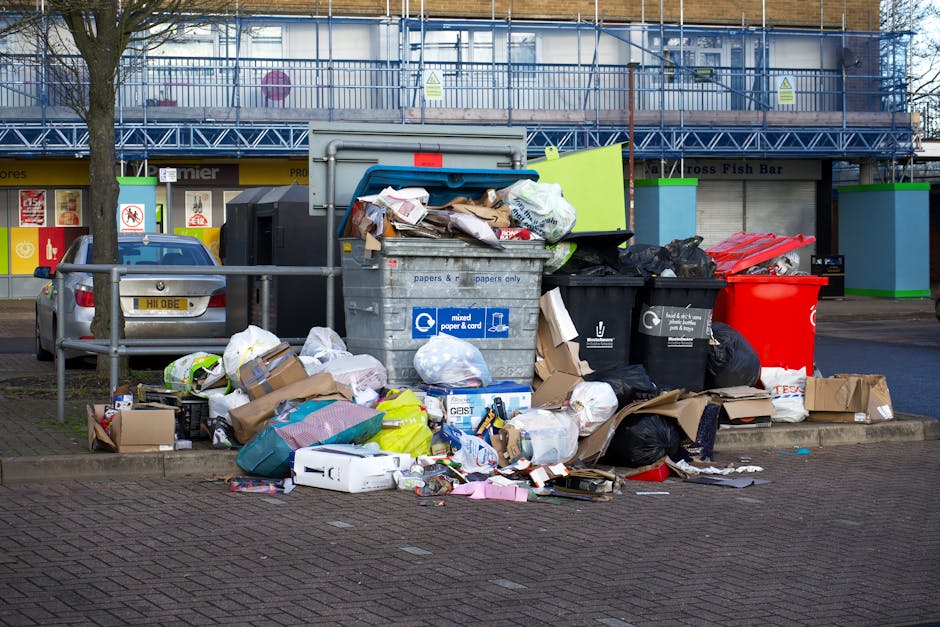
Why Avoid hidden charges in Brompton rubbish removal quotes Matters
A quote is only useful if it reflects the real job. That sounds obvious, but a lot of people only notice the small print once the collection is over and the invoice is larger than expected. In Brompton, where properties can have narrow access, permit-sensitive streets, basement flats, and time pressure from landlords or builders, pricing needs to be especially clear.
Hidden charges matter for three straightforward reasons. First, they affect your budget. Second, they can turn a quick, tidy job into a stressful back-and-forth about "extra labour" or "unexpected access issues." Third, unclear pricing makes it hard to compare providers fairly. A quote that looks cheap at first glance may be more expensive once loading fees, minimum charges, congestion-related costs, or disposal extras are added.
There is also a trust angle here. If a company explains its pricing clearly, it usually shows the same clarity in the rest of the service. Not always, but often enough that it is worth paying attention. Let's face it, no one enjoys haggling at the kerb with a pile of old furniture waiting outside.
Expert summary: the safest Brompton rubbish removal quote is the one that explains volume, item type, access, labour, disposal, and timing before booking, not after collection.
It is worth being sceptical of quotes that are too vague to challenge. If the price sounds neat but the wording feels slippery, ask more questions. A good provider should be able to explain the number in plain English.
How Avoid hidden charges in Brompton rubbish removal quotes Works
Clear rubbish removal pricing usually works by combining a few core factors: how much waste there is, what type of waste it is, how easy it is to collect, and where it will be taken for disposal or recycling. Some companies quote by load size, some by item, and some use a mixed approach. The important thing is that the method is explained before you agree.
In practical terms, here is what should influence the price:
- Volume: the amount of rubbish, often compared with a portion of a van load.
- Waste type: general household rubbish, bulky items, white goods, builders' waste, garden waste, and so on.
- Access: stairs, no lift, parking distance, basement access, or difficult entry points.
- Labour: whether items must be carried from inside the property or simply loaded from outside.
- Disposal costs: the destination for the waste, especially if it requires sorting, recycling, or special handling.
- Timing: same-day jobs, evening slots, or specific booking windows can change the cost.
A transparent quote should tell you which of these are included and which are not. For example, if you are clearing an old sofa from a first-floor flat near busy Brompton roads, the provider should say whether stair carry is included or charged separately. That sort of detail is not nit-picking. It is the difference between a fair quote and a padded one.
Another thing to watch is minimum charges. A company may have a base rate even for small collections, which is fine if it is explained clearly. What is not fine is tacking on a minimum fee after the job has already been described differently on the phone. This is where written confirmation becomes very useful.
If you are gathering several Brompton rubbish removal quotes, keep each one in the same format: volume, labour, access, disposal, and any extras. That makes comparison much easier and reduces the chance of being distracted by a slick headline price.
Key Benefits and Practical Advantages
When pricing is transparent, the whole rubbish removal process becomes calmer. You know what to expect, and you can make decisions without second-guessing every line on the invoice. That alone is worth a lot when you are dealing with a house clearance, renovation waste, or a sudden pile of unwanted furniture.
Here are the main practical advantages:
- Better budgeting: you can plan the job around a real figure, not a guess.
- Cleaner comparisons: you can compare quotes on a like-for-like basis.
- Less stress on collection day: fewer awkward conversations about "extra" charges.
- Faster decision-making: you can choose a provider with confidence instead of chasing clarification later.
- Improved trust: clear pricing often reflects clearer service overall.
There is also a practical time-saving benefit. If you send the same job details to several providers, a clear quote should come back with few surprises. You will quickly spot who has asked the right questions and who has not. That can be revealing in five minutes flat.
For business owners, landlords, and property managers in particular, hidden charges can create admin headaches. A small unexplained cost can slow down approvals, complicate tenant settlements, or make it harder to reconcile invoices. So yes, clarity is about saving money, but it is also about saving time and avoiding hassle.
Who This Is For and When It Makes Sense
This approach is useful for almost anyone booking rubbish removal in Brompton, but some people benefit more than others.
Homeowners and renters
If you are clearing out a flat, replacing furniture, or dealing with end-of-tenancy clutter, you need a quote that fits the actual job. Even a modest collection can become more expensive if access is awkward or the items are heavier than expected. A young couple shifting out of a one-bedroom place, for example, may think they only need "a bit of rubbish gone." Then they realise the old wardrobe is solid wood, the mattress is awkward on the stairs, and the hallway is tight. That is exactly where hidden extras can creep in.
Landlords and letting agents
For rental turnarounds, the key issue is predictability. You often need fast clearance and a clean handover. Transparent pricing helps you decide whether to book a full clearance or separate services for furniture, domestic rubbish, and leftover white goods.
Builders and tradespeople
Builders' waste can be straightforward, but it can also change quickly depending on the stage of the project. A quote should spell out whether heavy materials, plasterboard, mixed rubble, or loading from inside the property affect the price.
Businesses and offices
Commercial waste often involves furniture, IT equipment, or regular collection schedules. If the provider does not explain collection frequency, labour, and disposal method, invoices can drift upward fast. Nobody likes that little surprise at month end.
Anyone under time pressure
If you need same-day or next-day rubbish removal, you are especially vulnerable to vague pricing. When time is tight, people tend to accept the first figure they hear. That is understandable, but it is also when hidden charges are easiest to slip in. A clear checklist helps keep you grounded.
Step-by-Step Guidance
Here is a simple way to avoid hidden charges in Brompton rubbish removal quotes without turning the process into a project.
- List everything you want removed. Be specific. "Old furniture" is too vague. "Three-piece sofa, coffee table, two bedside cabinets, and four black bags" is much better.
- Note the access details. Mention stairs, lift access, parking restrictions, basement entry, and whether the waste is inside or outside the property.
- Describe any heavy, awkward, or special items. White goods, mattresses, broken wardrobes, and builders' materials may be priced differently.
- Ask what the quote includes. Check labour, loading, disposal, recycling, and any minimum charge.
- Ask what could increase the price. This is a good one. If they cannot explain this clearly, take that as useful information.
- Request written confirmation. Even a short email or message is better than relying on memory.
- Compare like for like. A cheaper quote is only cheaper if it covers the same scope.
- Check whether the company handles disposal properly. Responsible waste handling matters, and more on that below.
If you want a quick rule of thumb: the more detail you give, the more accurate the quote should be. And if the company still gives a broad "it depends" answer without trying to narrow it down, that is usually a warning sign.
A small but useful habit is to ask for the quote in writing with the date, job description, and any exclusions. It sounds simple. It is simple. Yet it saves arguments later.
Expert Tips for Better Results
After enough collections, you start to notice the same patterns. The people who avoid nasty surprises are usually the ones who ask a few smart questions early.
Try these tips:
- Be precise about item count and size. "One wardrobe" could mean a flat-pack unit or a heavy built-in piece. Big difference.
- Send photos if possible. A picture of the load, the stairwell, and the parking situation can improve quote accuracy immediately.
- Ask whether the quote is fixed or estimated. A fixed quote gives you more certainty. An estimate can be fine, but only if the conditions are clear.
- Check for call-out fees. Some companies include them; others do not.
- Clarify whether VAT is included. If a price is given without saying whether tax is included, you may be comparing apples with pears.
- Ask about recycling and sorting. A company that separates reusable or recyclable items should be able to explain how that affects the job.
One practical observation: if a provider seems reluctant to explain the pricing structure before booking, they may be expecting to explain it after. That rarely ends well.
Also, watch the wording around "from" prices. A "from GBPX" quote can be a genuine starting point, but if the actual job is never likely to fit the base rate, the number is more marketing than pricing. Nothing illegal about a starting price in itself, of course. Still, it should be treated as a lead-in, not a promise.
And here is a small human one: if you feel awkward asking questions, do it anyway. You are paying for a service. Polite, clear questions are perfectly reasonable.

Common Mistakes to Avoid
A lot of hidden charges can be avoided by simply not making a few very common mistakes.
- Accepting the first quote without comparison. It is tempting, especially when the pile in your hallway is making the place feel smaller by the hour.
- Giving a vague description of the waste. Broad descriptions often lead to broad estimates, which are more likely to shift later.
- Forgetting access details. Narrow stairs, awkward parking, and long carry distances matter more than people think.
- Assuming all waste is priced the same. Mixed household rubbish, heavy builder's waste, and appliances are not interchangeable.
- Not asking about disposal fees. Disposal is part of the job, and it should be explained, not quietly added later.
- Ignoring the written quote. If a verbal price and a written price differ, the written version is the one that needs checking.
- Choosing solely on headline price. The cheapest quote can become the most expensive once extras are added.
There is another subtle mistake too: people sometimes make assumptions about what the company can take. If you have specialist items, mixed loads, or anything potentially restricted, ask directly. Do not leave it to chance.
And yes, one more thing. If a quote feels too polished but not very specific, trust the vague feeling in your gut. Not every sleek quote is a good one.
Tools, Resources and Recommendations
You do not need fancy software to compare rubbish removal quotes properly. A few simple tools and habits are enough.
- Photos from your phone: take wide shots of the load, close shots of awkward items, and a photo showing access if relevant.
- Basic note app or checklist: keep all quote details in one place so you are not relying on memory.
- Written messages or email: use them to confirm what was quoted and what was included.
- Measuring tape: useful for bulky items, especially furniture and appliances.
- Calendar reminders: handy if the collection needs to happen before a move, handover, or contractor deadline.
When comparing service pages and support information, it can also help to read a provider's own policies. For example, the pricing and quotes page should tell you how estimates are formed, while the terms and conditions page should explain what happens if the job details change. If you are checking service scope, the services overview and rubbish collection in Brompton pages can also be useful starting points.
For customers who care about responsible disposal, the recycling and sustainability page is worth a look too. It is not just about being eco-conscious; it can also tell you how a provider sorts waste and whether recycling is built into the service rather than treated as an afterthought.
One more recommendation: keep your own comparison table. Even a tiny one helps. Include provider name, quote amount, what is included, exclusions, and any notes on access or timing. Old-fashioned? Maybe. Effective? Absolutely.
Law, Compliance, Standards and Best Practice
Pricing is only one part of the picture. In the UK, waste removal should also be handled responsibly, and customers are right to expect that the company they hire follows proper waste handling practices. You do not need to become a compliance expert, but a few basics are worth knowing.
First, a legitimate waste carrier should be able to show the appropriate registration or licence information. That matters because waste must be transported and disposed of properly. If a provider is vague about this, be cautious. Responsible operators usually have no problem explaining their position in plain language.
Second, waste should be taken to authorised facilities and sorted appropriately where required. That is not just a best practice point; it is part of why disposal costs exist in the first place. Cheap quotes sometimes leave out the full cost of legitimate disposal, which can be a red flag.
Third, if your waste includes items that need extra care, such as appliances or mixed construction debris, the company should explain how they handle them. You do not need a legal lecture. Just a straight answer.
Finally, check the provider's insurance and safety information if the job involves heavy lifting, stairs, or awkward access. The insurance and safety page should help you judge whether the company is thinking beyond the invoice. For broader trust and accountability, the waste carrier licence and compliance information is especially useful. If payments are part of your concern, the payment and security page can also reassure you about how transactions are handled.
Best practice in this area is simple: clear pricing, proper paperwork where needed, and no mystery about where the waste goes. If the company is upfront, that is a good sign. If not, well, you have your answer, don't you?
Options, Methods and Comparison Table
Different rubbish removal approaches suit different situations. The cheapest-looking option is not always the most economical once time, labour, and access are considered. Here is a simple comparison to help you think it through.
| Method | Best for | Pros | Watch-outs |
|---|---|---|---|
| Full rubbish removal quote | Mixed loads, bulky items, home clearances | Convenient, often includes loading and disposal | Can become expensive if access or item type is not explained |
| Item-based pricing | Few specific items, such as a sofa or appliance | Easy to understand for small jobs | May be less efficient for mixed or unpredictable loads |
| Volume-based pricing | Clearance jobs with varied waste | Flexible and often fair for larger loads | Needs accurate estimating to avoid changes later |
| Regular commercial collection | Businesses with repeat waste | Predictable scheduling and invoicing | Can include minimum charges or contract terms |
If your job is a one-off domestic clearance, a transparent full quote is usually the easiest route. If you only have one or two items, item-based pricing may be enough. For ongoing waste from a business or site, a repeat collection arrangement can make sense, but you should still ask exactly what triggers extra costs.
For people managing whole-property clearances, related services may also help. A house clearance in Brompton can be more efficient than piecing together multiple small collections, while furniture removal may suit a smaller, item-focused job. If your waste comes from a renovation, builders' waste disposal is a more fitting service category.
Case Study or Real-World Example
Imagine a Brompton resident clearing out a spare room before a new tenant arrives. The job includes a wardrobe, a broken desk, a mattress, several bags of mixed household rubbish, and a couple of smaller loose items. At first glance, it seems straightforward. But the flat is on an upper floor, there is no lift, and parking is tight outside. Classic London, really.
Provider A gives a quick quote based only on the rough item list. It sounds attractive, but the terms do not say whether stair carry is included or whether parking delays might change the price. Provider B asks for photos, confirms the floor level, and explains that the quote includes loading, disposal, and reasonable stair carry, but not any extra waste added on the day. Provider C offers the lowest figure, but only as a "starting from" estimate.
The resident chooses Provider B because the quote is the clearest, not because it is the lowest on paper. Collection day goes smoothly. No awkward add-ons appear. No last-minute negotiations by the front door. The job is done, the hallway is clear, and the invoice matches the agreement.
That is the real point. Avoiding hidden charges is not about hunting the absolute cheapest number. It is about making sure the number you agree is the number you pay. A surprisingly rare pleasure, perhaps.
Practical Checklist
Use this checklist before you confirm any Brompton rubbish removal quote:
- Have I listed every item clearly?
- Did I mention access details, including stairs, lift use, and parking?
- Did I ask whether the quote is fixed or estimated?
- Do I know whether labour, loading, and disposal are included?
- Have I checked for minimum charges or call-out fees?
- Did I ask what might trigger an extra cost?
- Is VAT included or excluded?
- Have I got the quote in writing?
- Did I check waste carrier and compliance information?
- Have I compared at least two or three quotes on the same basis?
- Do I understand the cancellation or rescheduling terms?
- Am I comfortable that the quote matches the actual job?
If you can tick most of those boxes, you are in a much stronger position. A five-minute check now can save a very irritating email later. And those emails, honestly, are never fun.
Conclusion
To avoid hidden charges in Brompton rubbish removal quotes, focus on clarity, not just price. Ask what is included, what could change the cost, and whether the quote is written as a fixed price or an estimate. Then compare providers on the same terms. That simple habit removes most of the friction.
It also helps you choose a provider that values straight answers, which is usually a good sign in this line of work. If a company is clear about pricing, disposal, access, and timing, your collection is far more likely to go smoothly. A tidy quote often leads to a tidy job.
If you are ready to compare options with confidence, start by gathering a clear description of your waste, your access details, and the questions in the checklist above. That is the sensible next step, and it puts you in control from the start.
Get a free quote today and see how much you can save.



 Tipper Van - Waste Disposal and Waste Removal Prices in Brompton, NW5
 Luton Van - Waste Disposal and Waste Removal Prices in Brompton, NW5